🌍
Lesson 1
Learn how living things, non-living things and ecosystems are connected.
Grade 8 English • Unit 6
OUR ENVIRONMENT • GRADE 8 ENGLISH
Discover how living things depend on one another and how small daily actions can help protect the Earth.
Learn how living things, non-living things and ecosystems are connected.
Discover what nature provides and the problems that threaten our environment.
Reduce waste, save water, plant trees and make greener everyday choices.
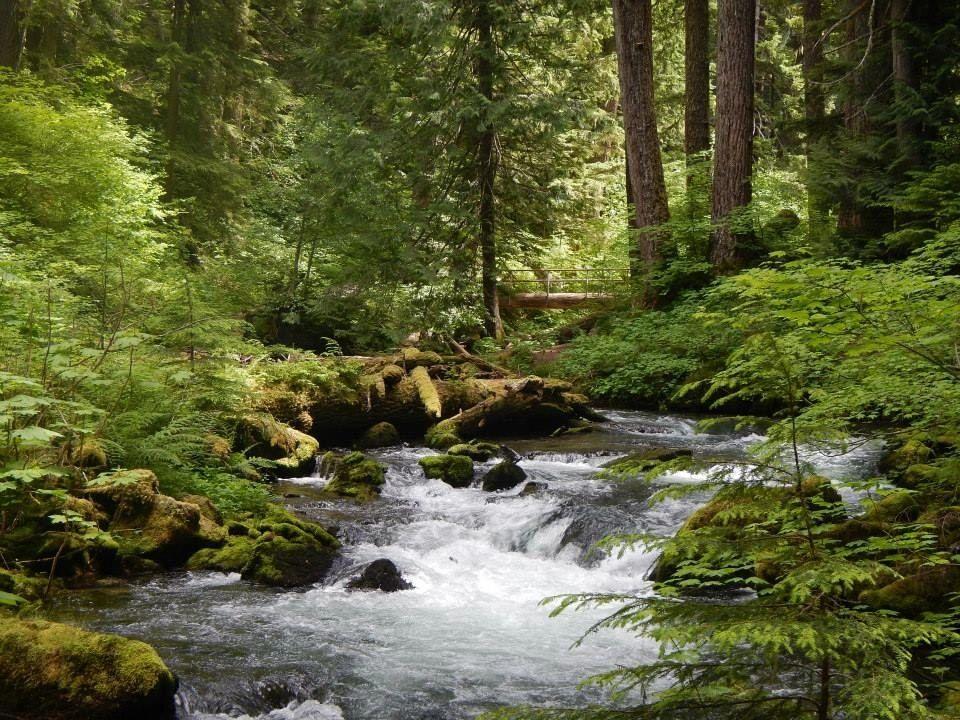
The environment is the natural world around us. It includes living things, such as people, animals and plants, and non-living things, such as air, water, soil, rocks and sunlight.
All these parts are connected. They provide the conditions that living things need to survive. An ecosystem includes the living things in an area and the non-living parts with which they interact.
Our environment gives us food, water, oxygen, materials and places to live. We depend on nature, so we must understand it and take care of it.
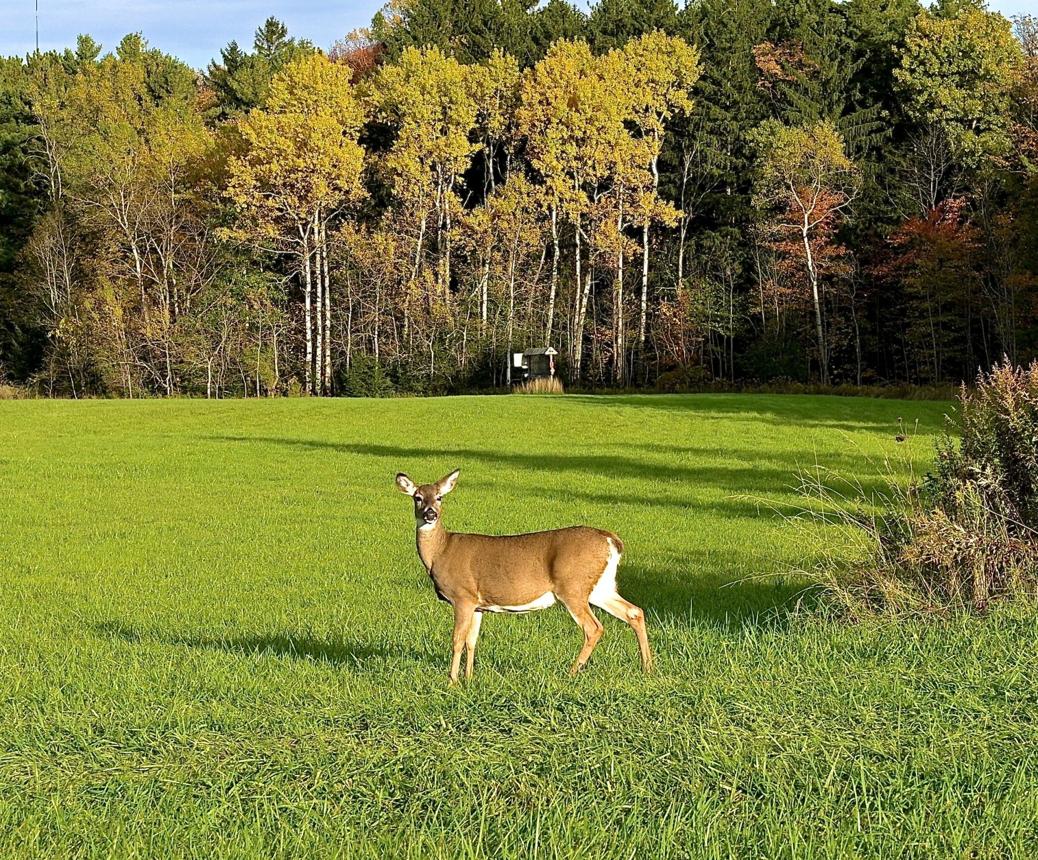
People, animals, plants and tiny organisms are living things. They need suitable conditions, such as water, air and food, to live.
Living things grow, need energy and interact with other organisms and their surroundings.
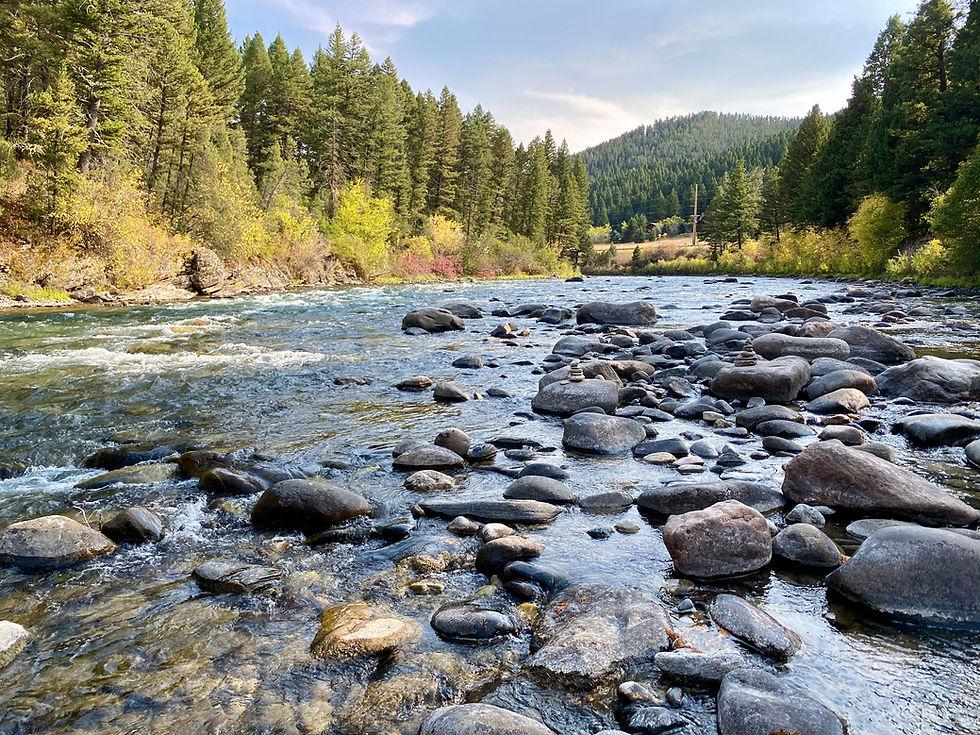
Air, water, soil, rocks and sunlight are non-living parts of the environment. They support life in different ways.
For example, plants need sunlight, water, air and suitable soil to grow.
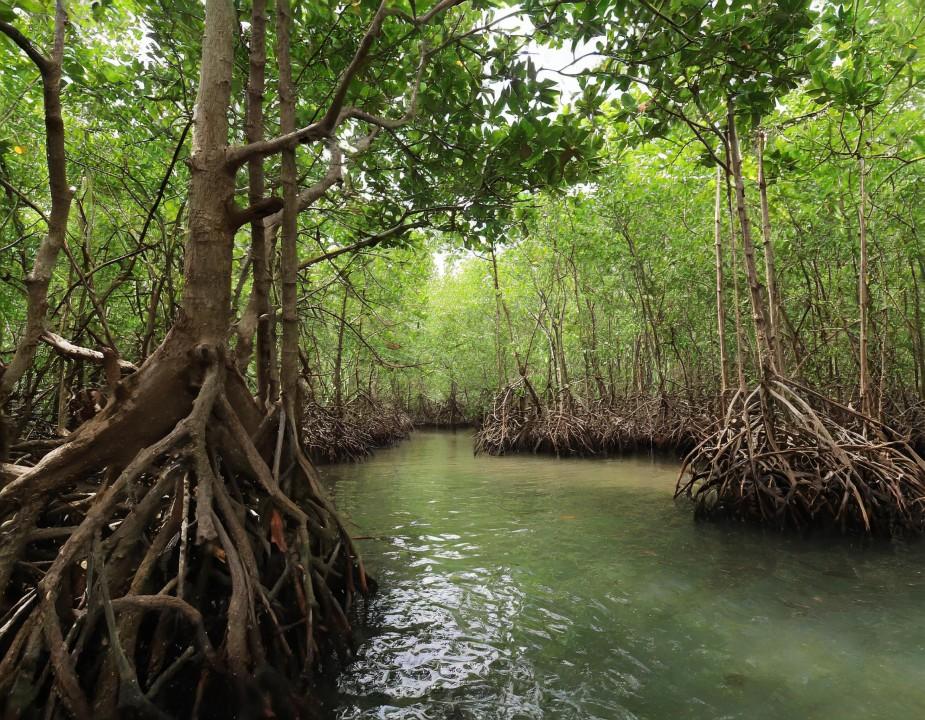
An ecosystem is a community of living things interacting with one another and with the non-living parts of their surroundings.
A forest, a river, a pond and a mangrove swamp are examples of ecosystems.
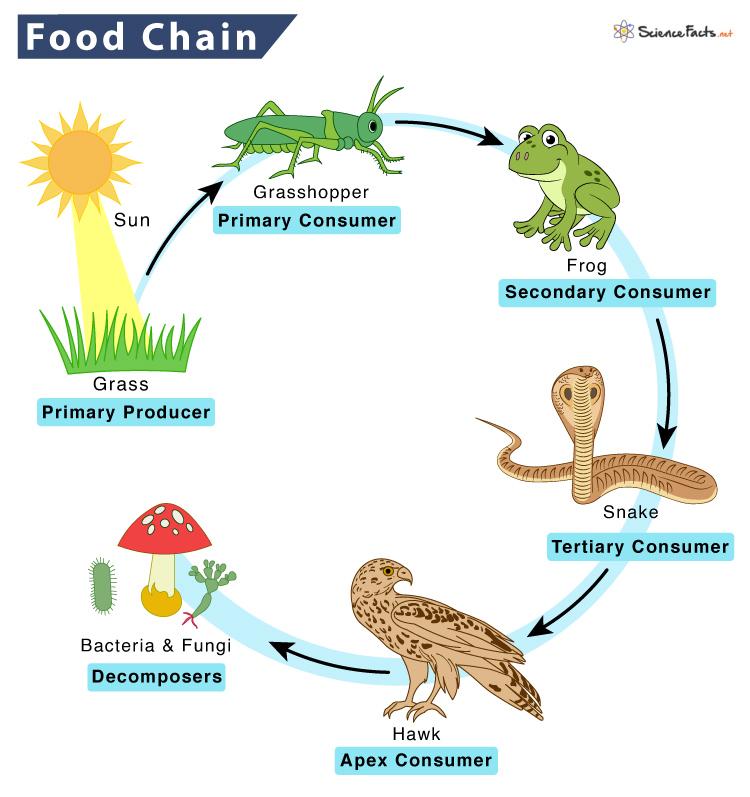
Grass is eaten by a grasshopper. A frog may eat the grasshopper, and a snake may eat the frog.
Plants use sunlight, water and carbon dioxide to make food. Animals depend on plants or other animals for food.
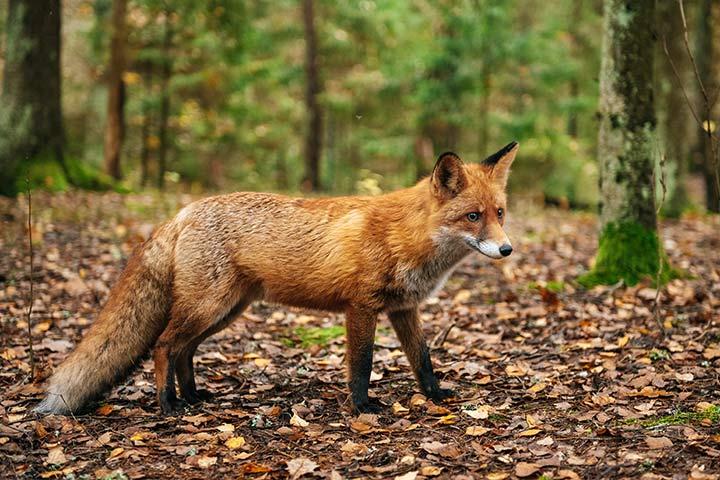
A habitat is the natural home of a plant or animal. Forests, rivers, wetlands and coastal areas provide habitats for wildlife.
Protecting natural habitats helps plants, animals and other living things survive.
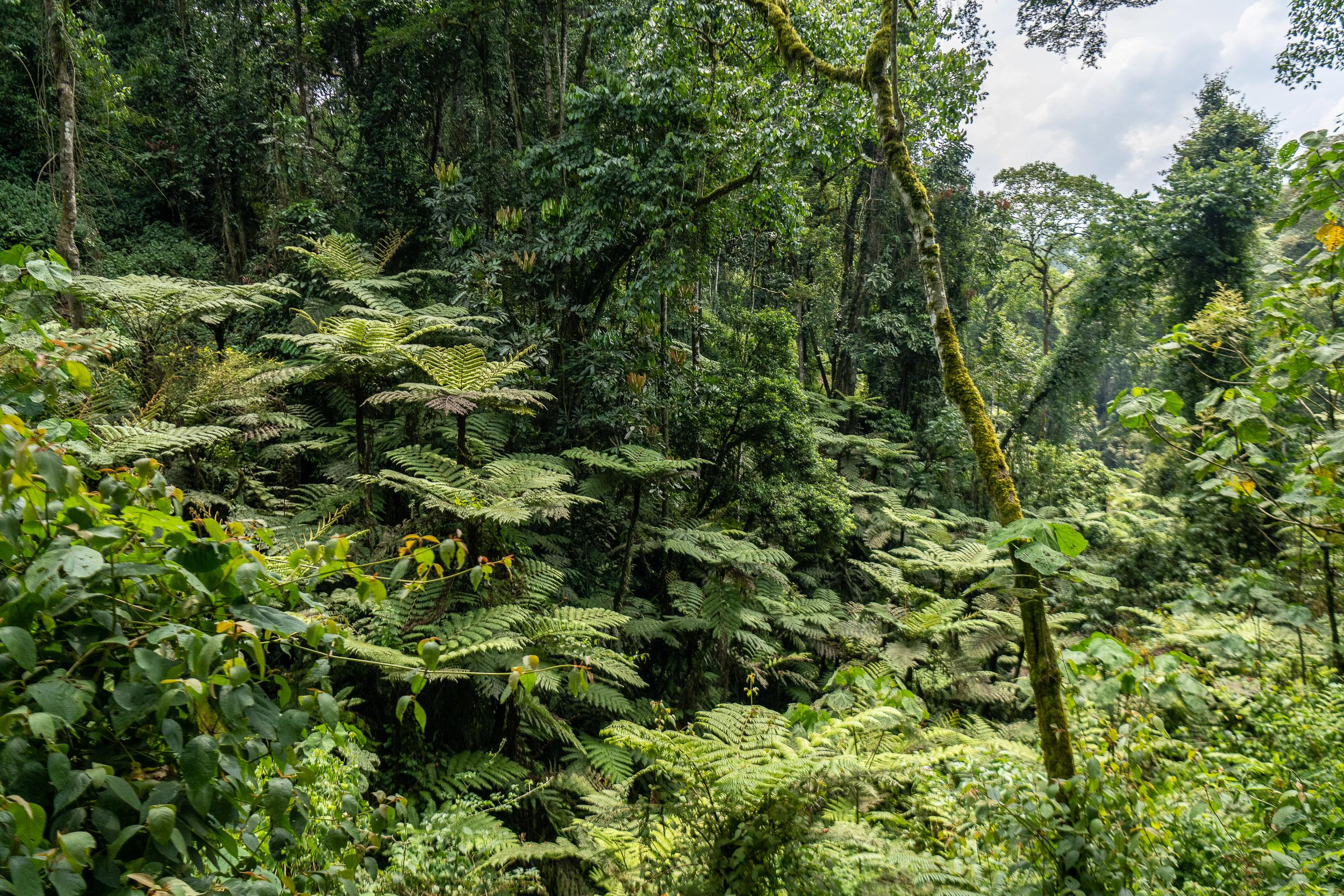
Air is the mixture of gases around the Earth. Bacteria are tiny living organisms. Mangroves are trees that grow in salty coastal areas.
Rocks are natural solid materials. Soil is the top layer of earth where many plants grow. Trees provide habitats, while wildlife means living things found in nature. A volcano is an opening in the Earth’s surface through which hot material can erupt.
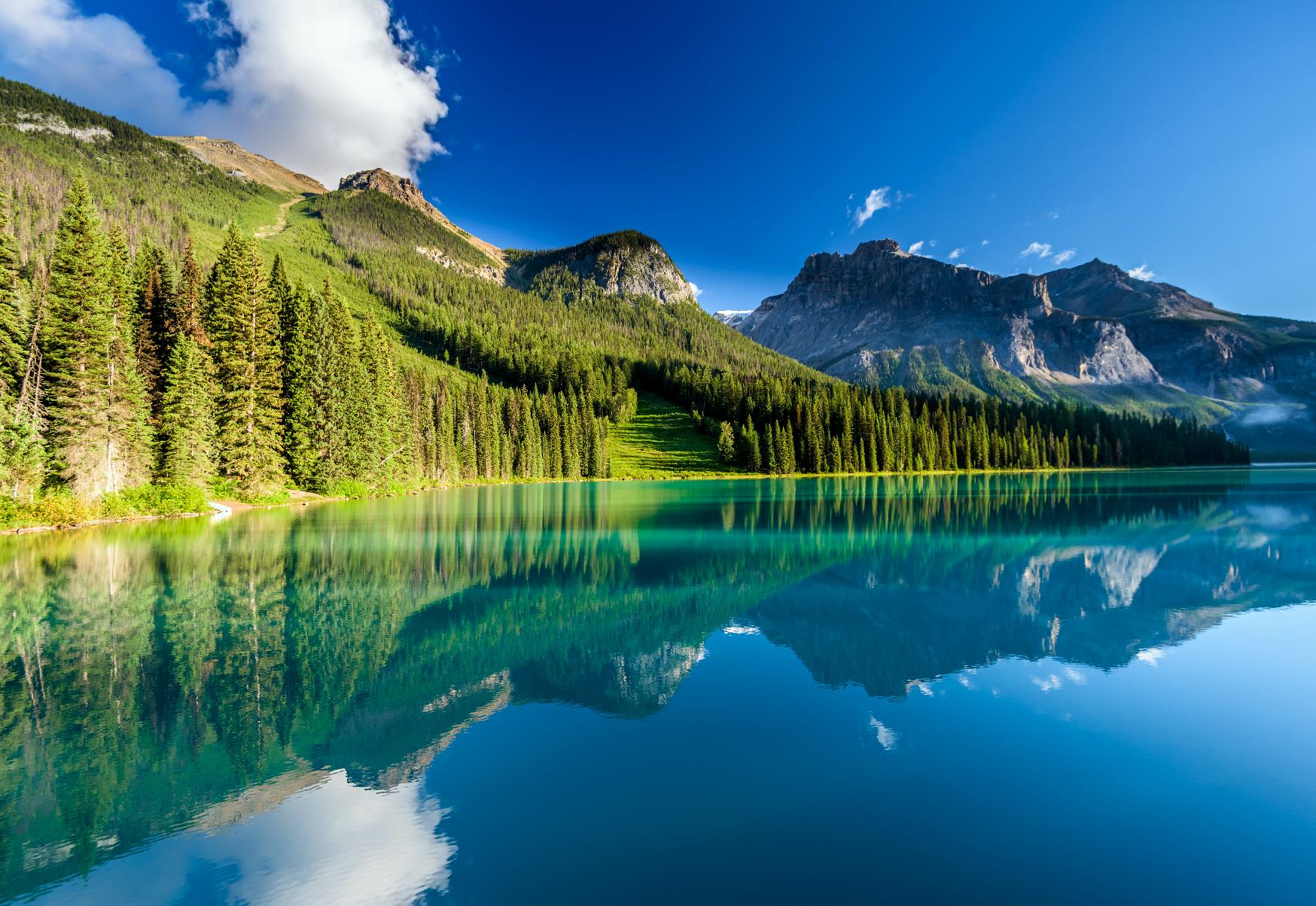
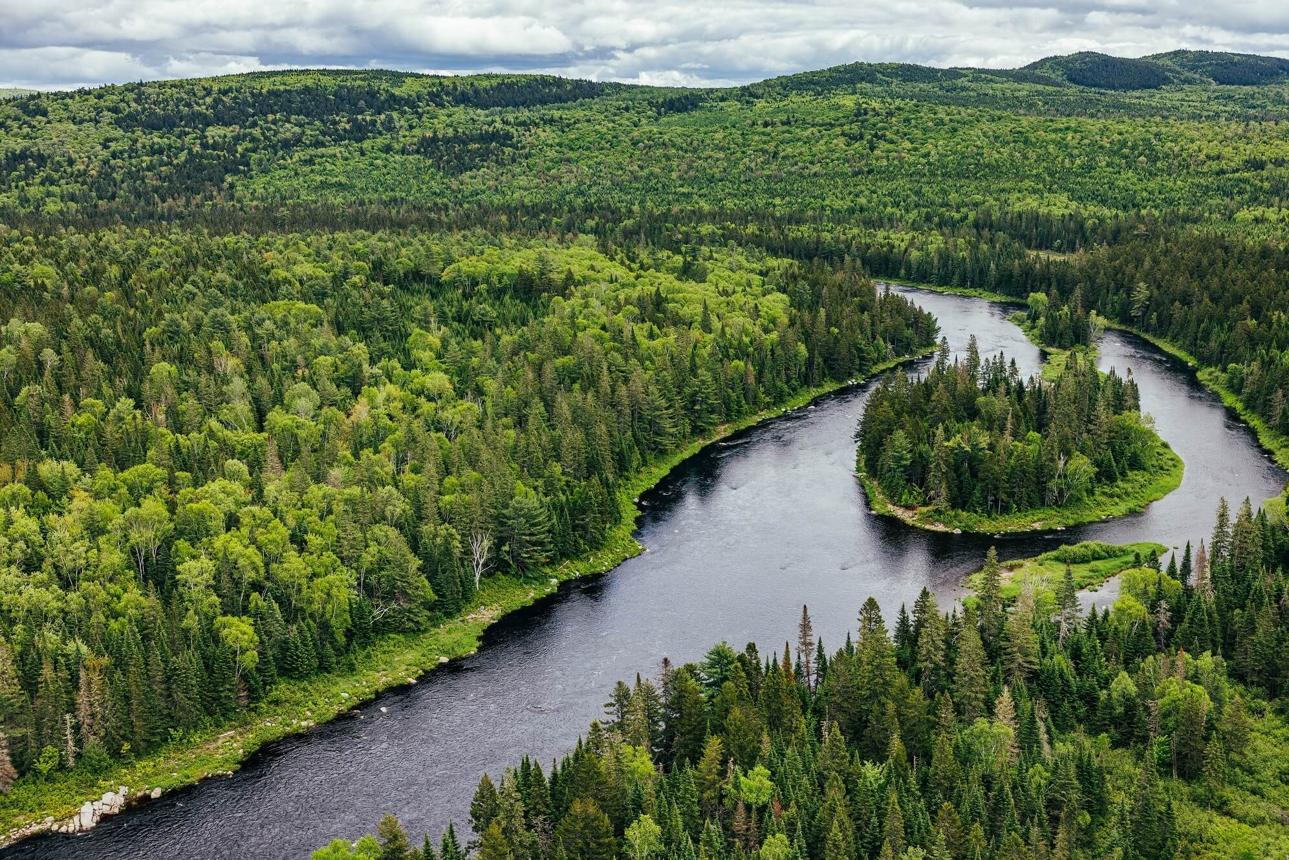
The environment provides oxygen, water, food, clothing materials and places to live. Sunlight gives us warmth and energy.
Healthy soil helps plants grow, while rivers and forests provide habitats for many living things.
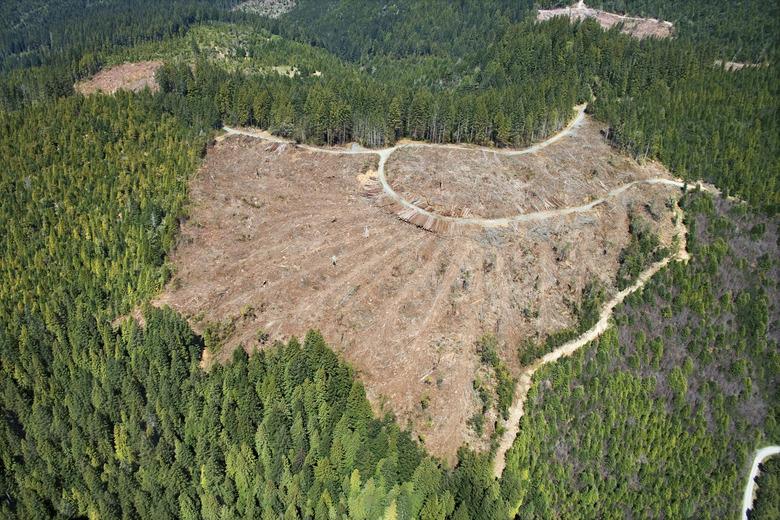
Deforestation means cutting down forests. Cutting down too many trees destroys habitats, reduces forest cover and can damage the soil.
Planting trees and caring for forests can help protect wildlife and keep ecosystems healthy.
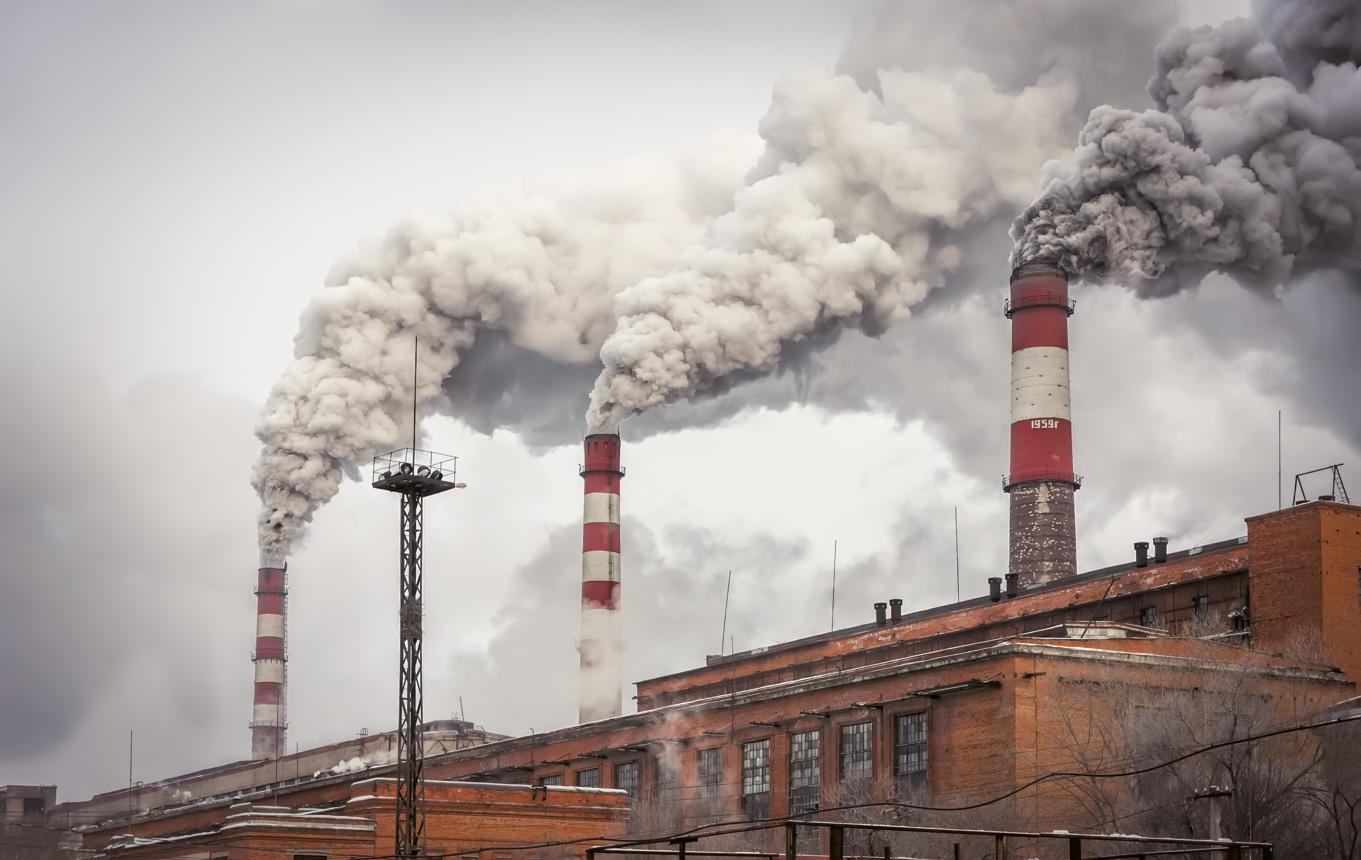
Smoke from vehicles, factories and the burning of fossil fuels can pollute the air. Greenhouse gases trap heat in the atmosphere.
The increase in greenhouse gases contributes to global warming and climate change. Some harmful chemicals can also damage the environment.
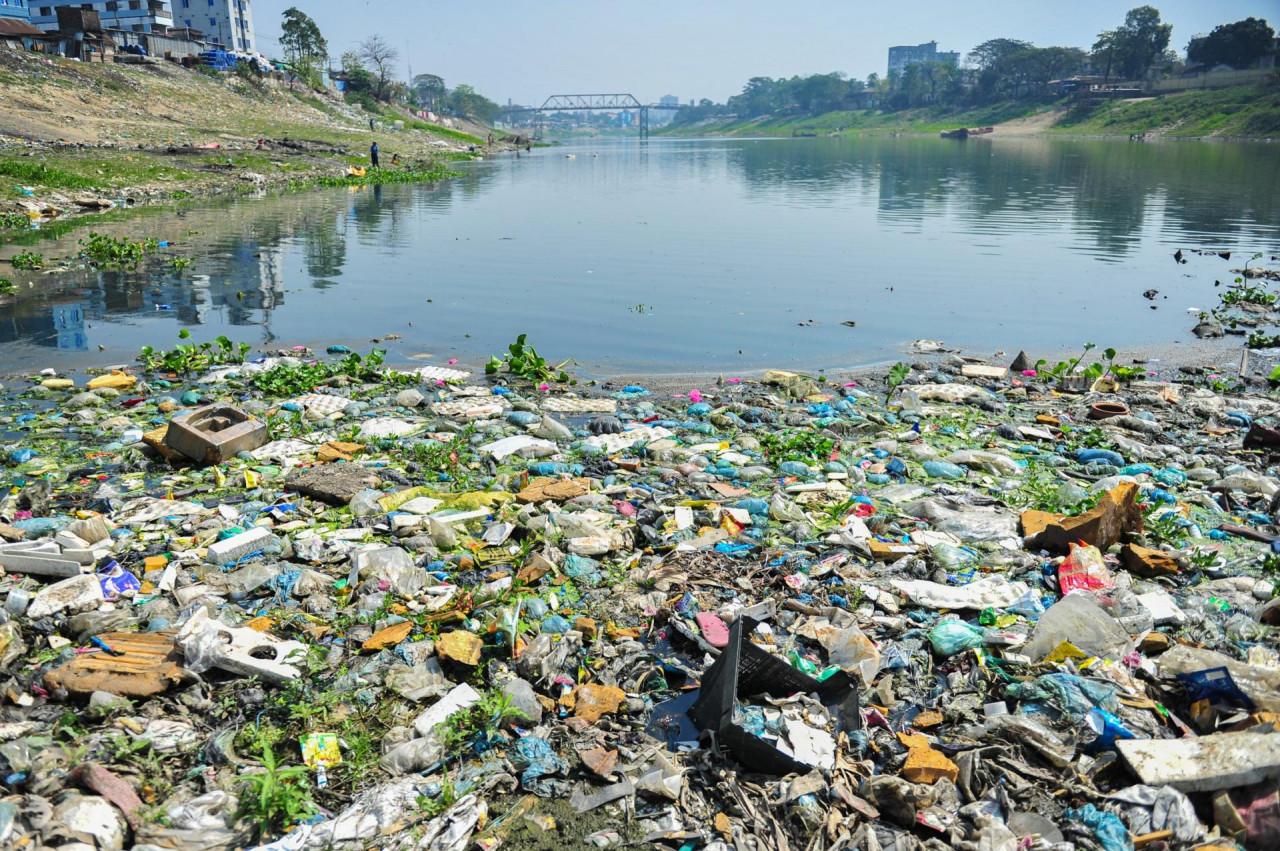
Dumping rubbish and chemical waste into rivers and seas makes water unsafe for people and harmful to aquatic life.
We can help keep water clean by disposing of waste properly and never throwing rubbish into streams, rivers or lakes.
When habitats are destroyed, animals lose places to find food and shelter. Pollution can also harm wildlife.
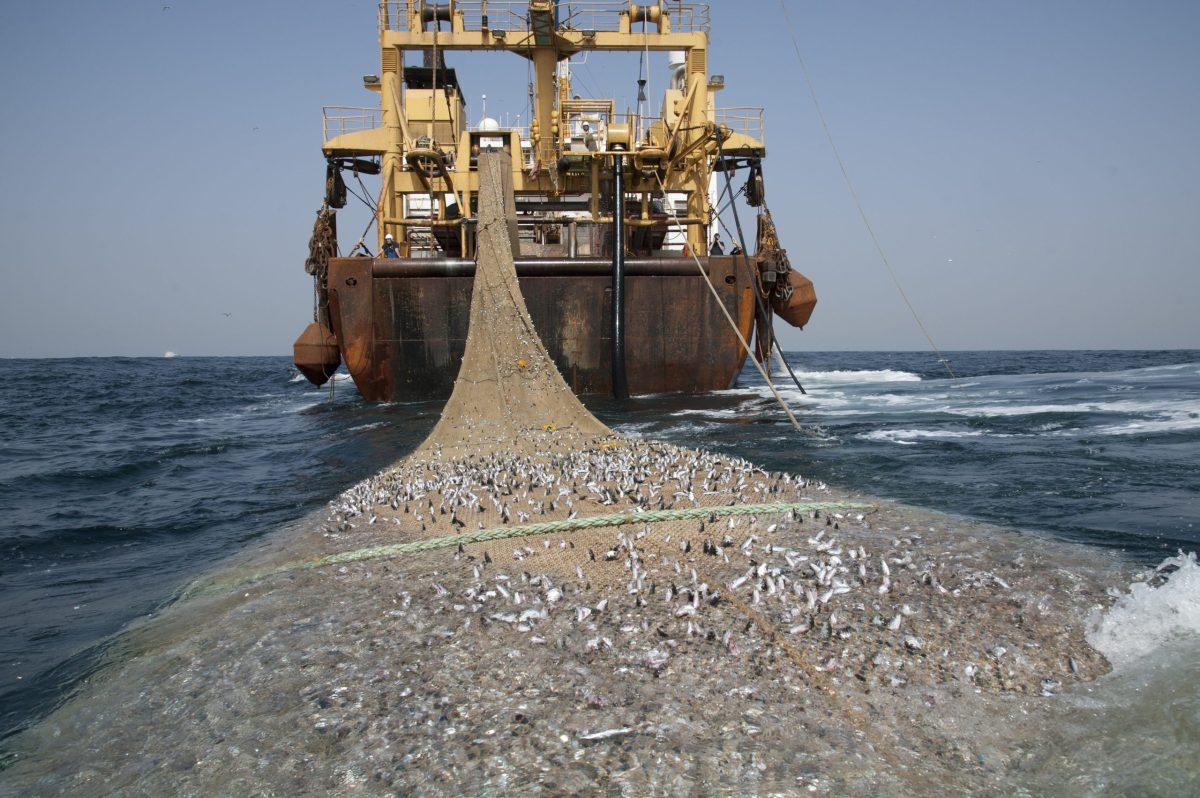
Overfishing happens when too many fish are caught. It can reduce fish populations and upset the balance of aquatic ecosystems.
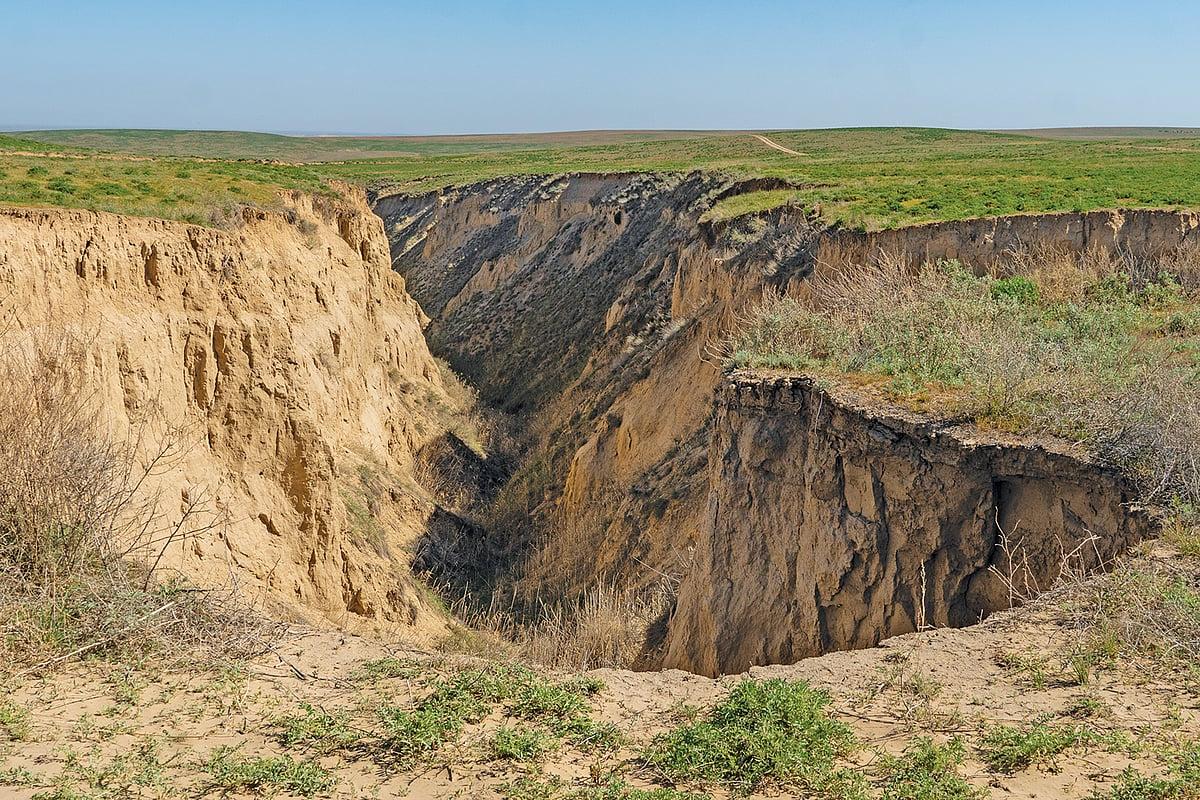
Soil can lose its quality through pollution and unsuitable farming practices. Careful farming and the responsible use of natural fertilisers can help protect soil.
Environmental vocabulary also includes earthquakes, floods, droughts, tsunamis, storms, landslides, avalanches and wildfires. Communities need suitable safety plans for natural hazards.
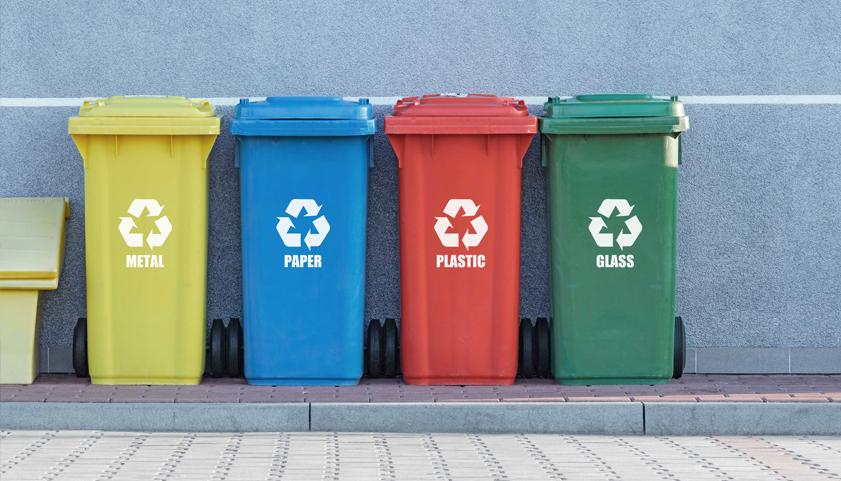
The three Rs are reduce, reuse and recycle. They help us make less waste and use materials more carefully.
Buy only what you need, use items again when possible, and sort paper, plastic, glass and other waste for recycling.
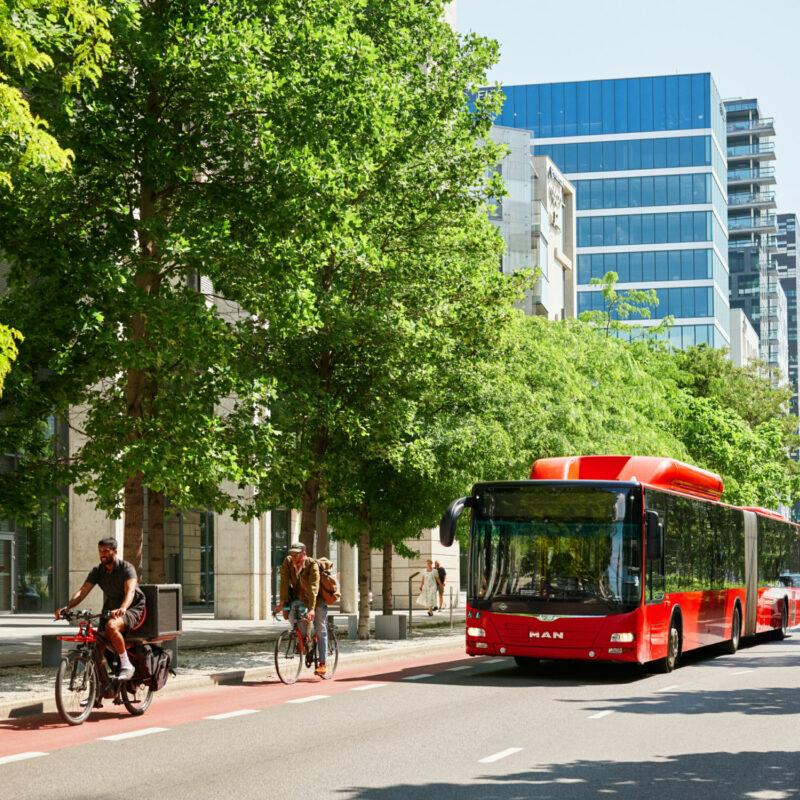
Walk, cycle or use public transport when suitable. Sharing a journey can also reduce the number of private vehicles on the road.
These choices can help reduce fuel use and air pollution.
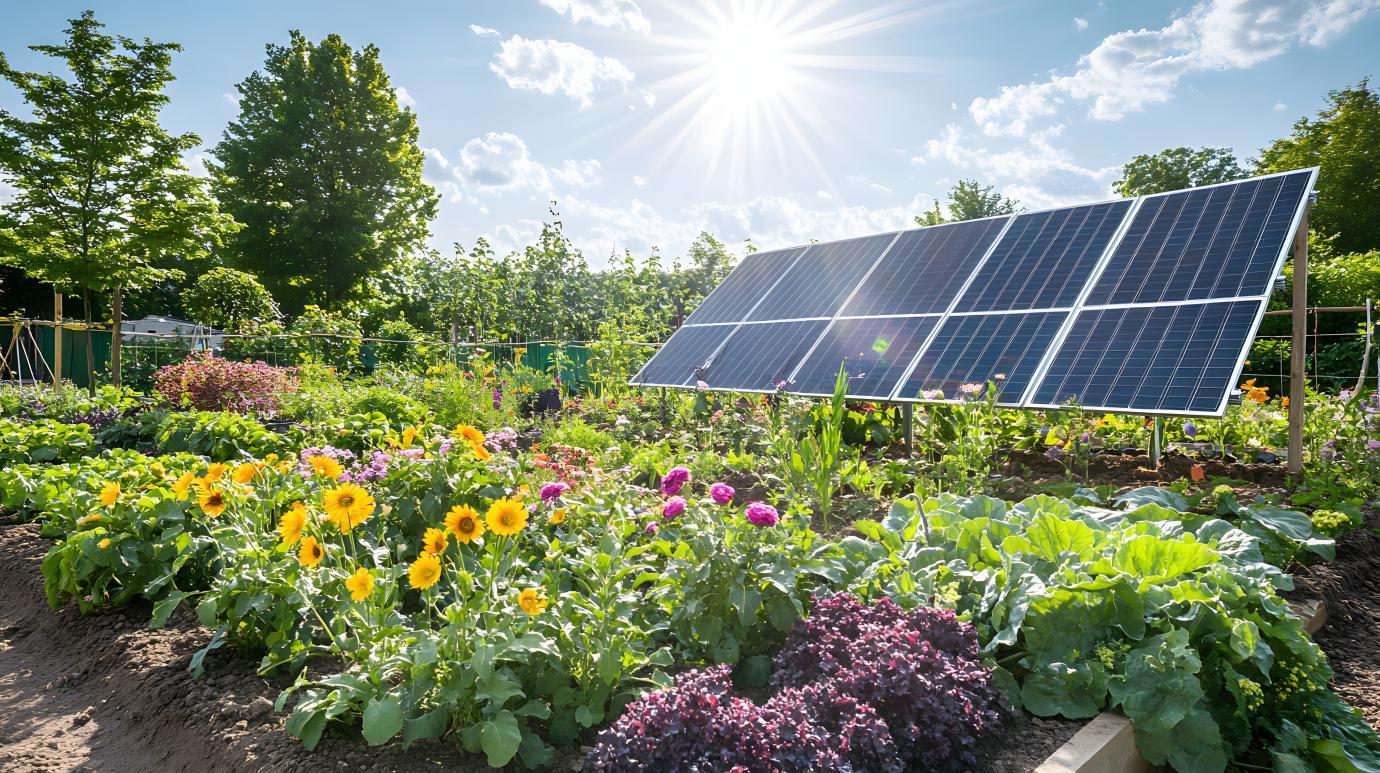
Turn off lights, fans and computers when they are not needed. Use electricity carefully at home and at school.
Saving energy helps reduce unnecessary energy use and can lower pollution from power generation.
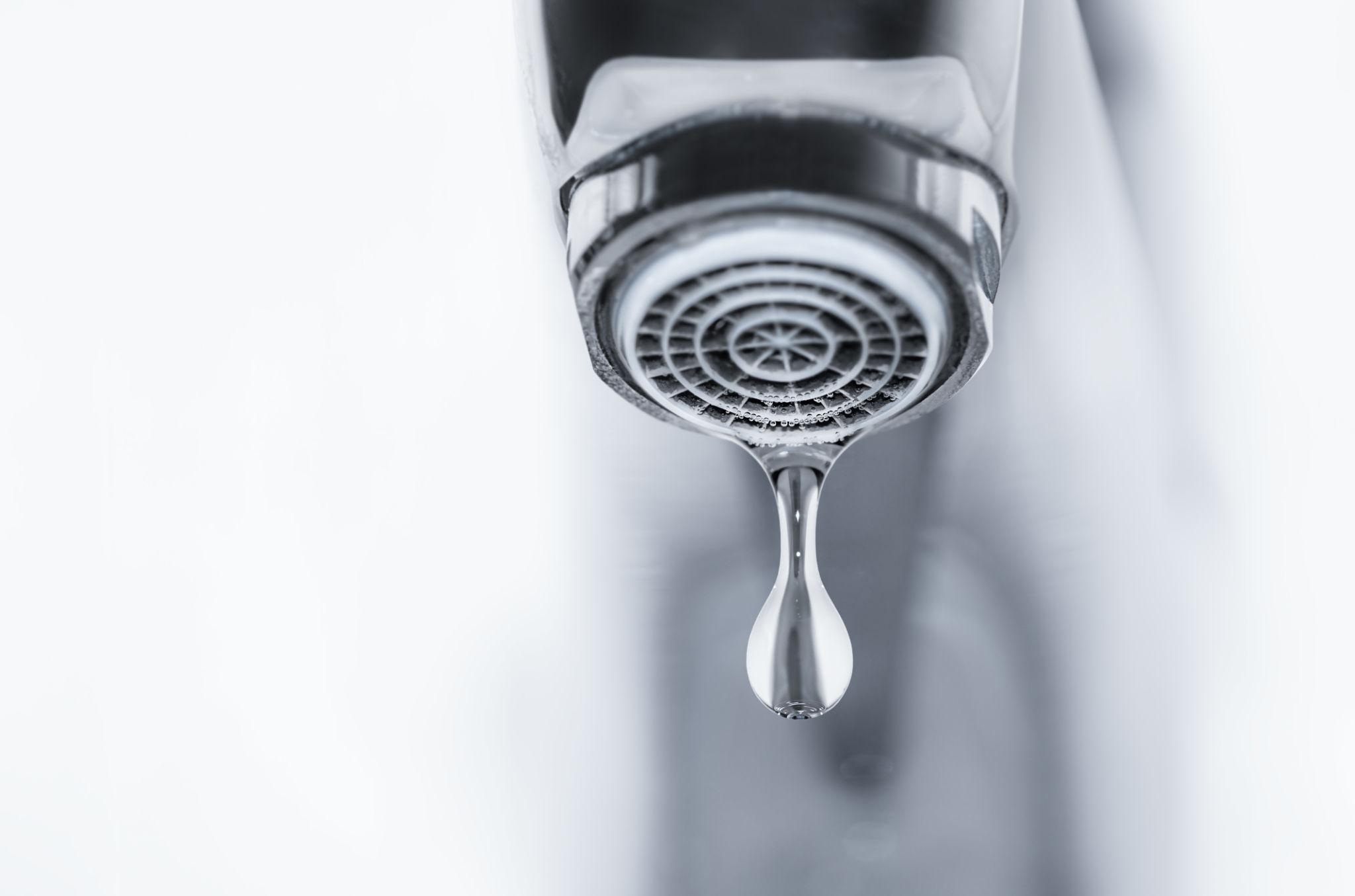
Turn off the tap while brushing your teeth, fix leaking taps and avoid wasting clean water.
Use only the water you need and keep rivers, lakes and streams free from rubbish.
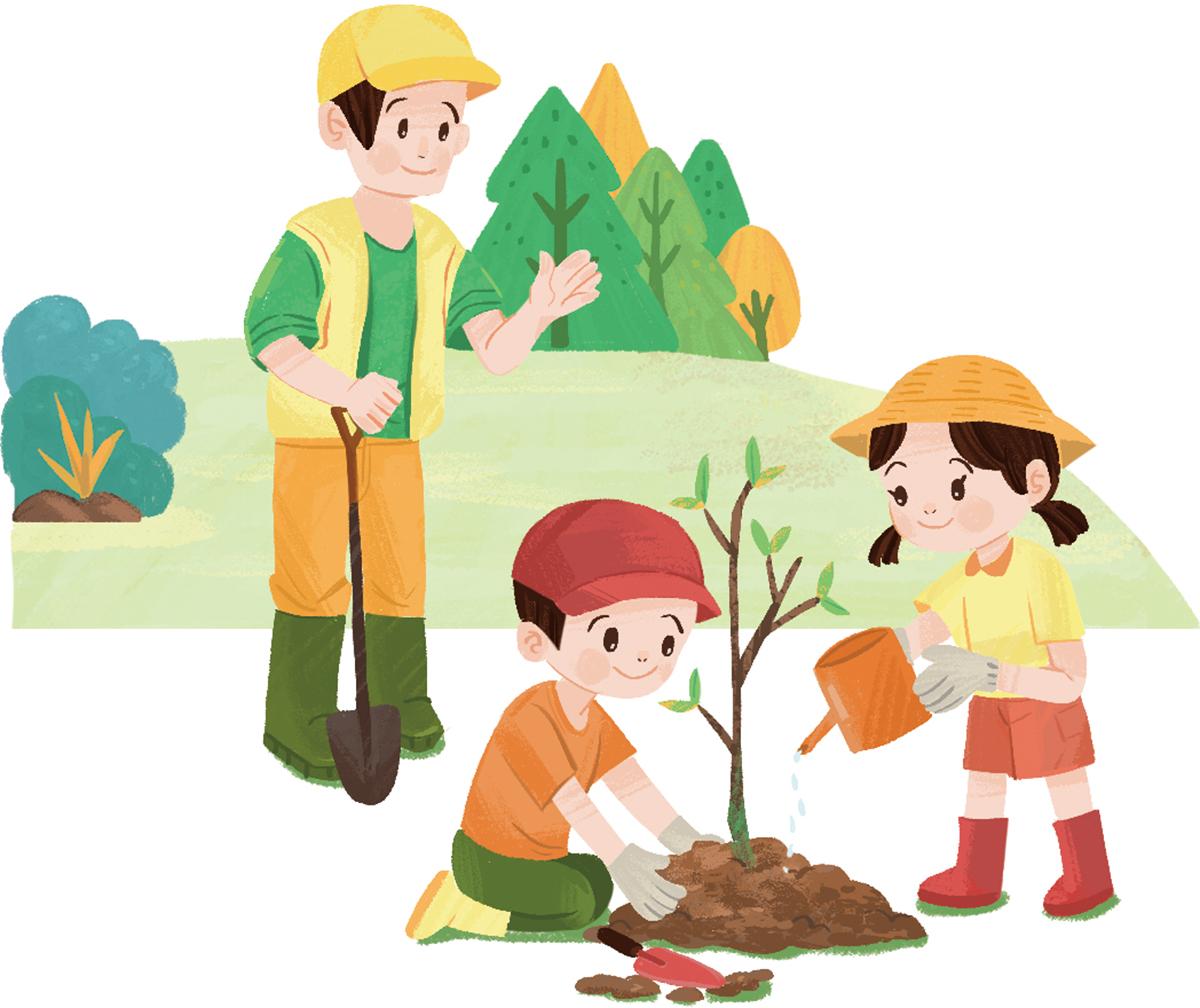
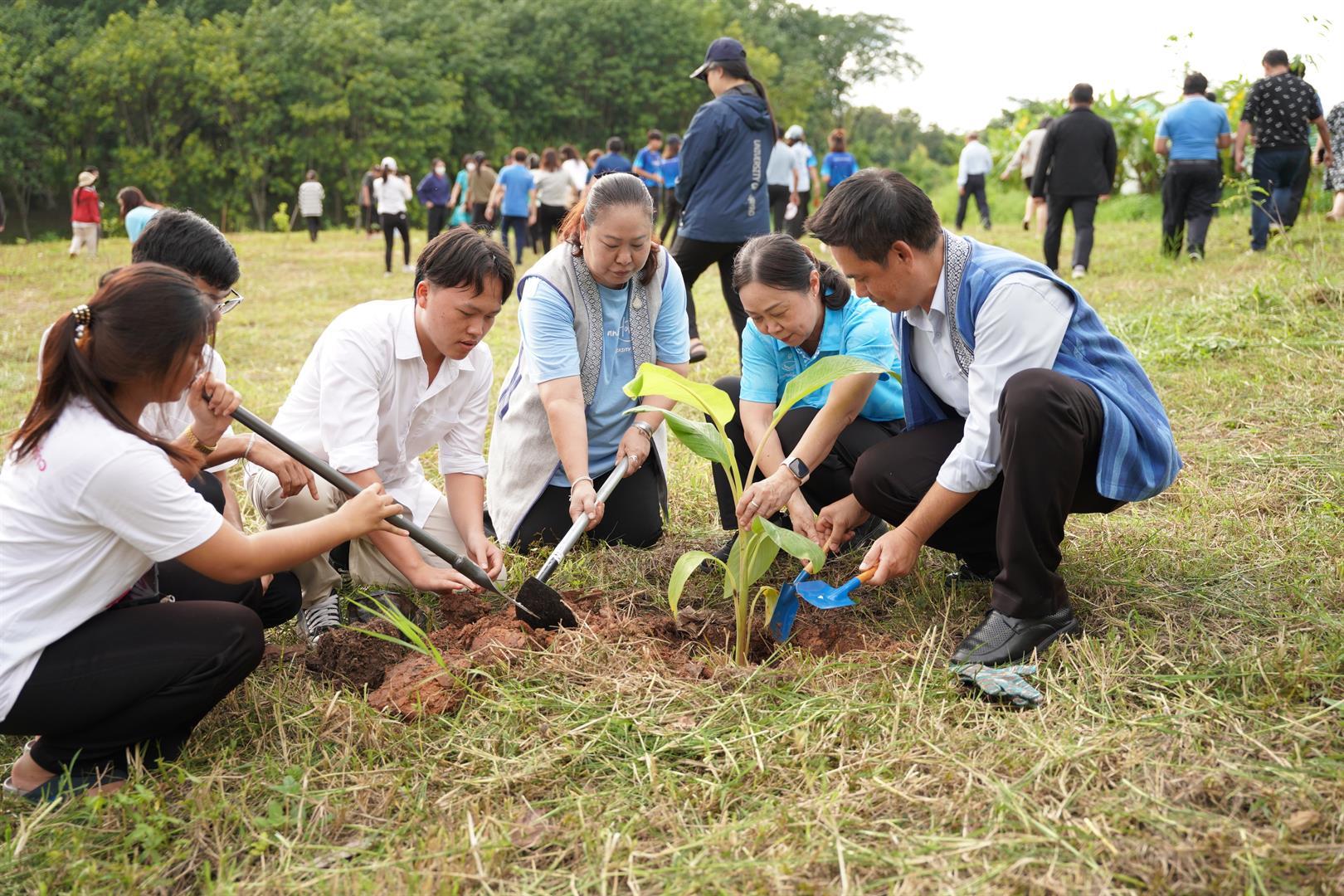
Plant suitable trees and care for them as they grow. Trees provide habitats, help protect soil and absorb carbon dioxide.
School and community tree-planting activities can encourage people to care for their local environment.

Carry a reusable bag and water bottle. Avoid unnecessary single-use bags, cups and other disposable items.
Use must to describe something important: “We must protect forests.” Use mustn’t for something that is not allowed: “We mustn’t throw rubbish into rivers.”
Each word has a short meaning and a British English pronunciation guide. Select Listen to hear the British English recording.
Pronunciation key: /ˈ/ marks the main stressed syllable; /ˌ/ marks a weaker, secondary stress.
Pronunciation recordings are stored locally in the audio/vocabulary folder and work offline.
| Problem | What can happen? | Helpful action |
|---|---|---|
| Deforestation | Habitats are destroyed and soil can be damaged. | Protect forests and plant suitable trees. |
| Air pollution | Dirty air can affect people, animals and plants. | Use cleaner transport and avoid burning rubbish. |
| Water pollution | Rivers and seas become unsafe for living things. | Dispose of waste properly and keep waterways clean. |
| Overfishing | Fish populations can decrease. | Protect aquatic habitats and use responsible fishing practices. |
| Soil degradation | Soil loses quality and plants may not grow well. | Protect soil and use suitable farming methods. |
1. Choose one of the four exercise types. 2. For multiple choice and true / false, select an answer. 3. For fill-in-the-blank and short-answer questions, type your answer and press “Check answer”. 4. Press Next to continue and see your score at the end.
Choose a topic below to find educational videos and learn more about protecting the environment.
Learn about living things, non-living things and how they interact.
Find videos ↗Explore pollution, deforestation, climate change and their effects.
Find videos ↗See how reducing, reusing and recycling can help the planet.
Find videos ↗
This learning website is based on the environment unit in the Myanmar Grade 8 English textbook. It presents three lesson themes: Our Environment, Our Friendly Environment and Environmentally-friendly Lifestyle.
The explanations and practice questions are simplified study notes written in new wording. They are intended to support learning and are not a replacement for the textbook or classroom lessons.